Water Leaks: One of the Main Wastes for Companies
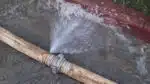
Unlike residential leaks, commercial water loss can continue undetected for weeks or even months, and businesses may pay for thousands of litres of wasted water while also exposing their properties to structural deterioration, mould growth, equipment damage, and rising operational costs. As you can see, that is a huge problem. If not solved, it can spread from the water infrastructure to other, riskier parts of your business.
For many businesses, water loss starts quietly behind walls, beneath concrete slabs, inside aging infrastructure, within equipment that runs around the clock, or among employees who spend more than necessary on daily processes.
The problem with this silence, where everything looks normal visually, is that it makes water leaks so expensive, especially for industry or businesses that use large amounts of water for their operations. The Canadian Green Building says, for example, that a tap that drips every second can waste more than 5 litres per day. Can you imagine the amount if there are many taps or pipes, with low maintenance or leaks?
The Main Water Leak Reasons for Businesses
For commercial properties, leaks are rarely isolated, being usually symptoms of larger infrastructure or operational problems. Therefore, water loss generally falls into three primary categories, which must be checked out and are:
Aging Infrastructure – Over time, pipes naturally weaken due to corrosion, mineral buildup, pressure fluctuations, and environmental stress, and as Canada is cold, the repeated freeze-thaw cycles create additional strain underground. Depending on the season, soil expands (spring/summertime) or contracts (autumn/wintertime) throughout the seasons, which can reflect on underground pipes that may shift, crack, or separate at connection points.
Pressure is another common problem, where a sudden spike can weaken joints, rupture fittings, or damage older piping systems that are already under stress, especially when old or rarely inspected because of the location, for example.
Equipment Inefficiency – Boilers, manufacturing systems, commercial dishwashers, irrigation networks, and industrial-grade kitchen equipment operate under constant demand, consequently spending a large amount of water daily. Therefore, when valves fail or there is a sensor failure, the problem can escalate quickly.
Cooling towers, common in industries, are especially problematic because they often operate continuously and can cover a considerable overflow or evaporation issue. A single malfunction can waste hundreds of gallons daily without triggering immediate operational alarms.
In hospitality, schools, universities, healthcare, and property management environments, older toilets and flush systems are a major source of hidden waste. A constantly running toilet may seem insignificant, but considering multiple units, floors, and employees, it can bring a relevant financial impact.
But these are “general problems”. Particularly in Canada, the climate can be challenging, especially in winter. The environmental conditions can increase plumbing stress and infrastructure issues, such as:
- Freeze-Thaw Cycles – Seasonal temperature changes are particularly damaging to underground infrastructure. Repeated expansion and contraction place immense stress on buried pipes and joints, especially in older systems.
- High-Pressure – Many large commercial facilities operate with elevated water pressure to serve multiple floors or industrial systems. When pressure-reducing valves fail, the consequences can extend throughout the building. Fixtures, appliances, seals, and supply lines may all experience accelerated wear or sudden rupture, so routine pressure monitoring is necessary in high-rise and industrial environments.
- Lack of Sub-Metering – Without sub-metering, businesses cannot accurately determine where water is being consumed or lost (as we discussed), which slows leak isolation, weakens accountability, and makes efficiency planning far more difficult. Installing sub-meter systems provides significantly better visibility into usage patterns.
Prevention is the right answer, instead of being reactive. The proactive approach to water management must be focused on early detection, infrastructure monitoring, and long-term operational efficiency.
The Most Effective Leak Strategies
Many businesses still rely on monthly utility bills as their primary warning system, but as we said before, this reactive approach is expensive. There are plenty of options on the market, businesses focused, modern, and effective leak management strategies for different niches and targets, which are:
The Overnight Baseline Test
After business hours, all water-consuming fixtures and systems should be shut down where possible, including dishwashers, irrigation systems, ice machines, and any other equipment. After that, the water meter is checked before the building closes and again several hours later.
If the meter changes despite no intentional water use, there is almost certainly an active leak somewhere in the system. Basic but effective, this method remains highly effective for businesses that still haven’t explored other possibilities or water loss prevention.
Real-Time Monitoring
Commercial buildings are increasingly adopting smart water monitoring technologies to detect abnormalities in real time. The modern IoT-based systems, for example, use sensors attached directly to water mains or branch lines. These systems monitor flow patterns, pressure fluctuations, and usage behaviour 24 hours a day. Moreover, by connecting water meters to smart sensors, it is also viable to analyze and adjust consumption in real-time.
Collecting data, sensors continuously transmit it to a gateway or cloud platform what is currently happening on the water side to be analyzed and visualized. Through these numbers and reports, the company can extract meaningful insights and identify trends, anomalies, and potential issues to be repaired.
Another differential is that IoT systems cannot only predict failures, schedule maintenance to avoid downtime, but can also, depending on the system, automatically shut off water supply lines when irregular activity is detected. Initiatives that can reduce drinking water losses by up to 30%, and equipment failures as well.
Acoustic Leak Detection
Acoustic sensors are becoming increasingly valuable in large-scale commercial environments to confirm the presence of the leak and to precisely locate it, as when water leaks through a pipe for any reason, it makes a particular sound. Thus, these underground microphones “hear” the vibration frequencies produced by escaping water inside pressurized pipes, and allow technicians to determine underground or hidden leaks to be repaired with a minimum of disruption and excavation.
It’s an effective option to minimize or even prevent unnecessary demolition, reducing downtime for businesses, which are not cost-friendly for any niche where even minor industrial/production interruptions can lead to significant losses.
Thermal Imaging Technology
Considered one of the most effective non-invasive tools for locating masked humidity, this strategy uses infrared cameras to detect temperature differences behind walls, beneath flooring, and inside ceilings. Areas affected typically appear cooler than surrounding materials, allowing technicians to identify leaks before visible damage emerges.
As the previous one (acoustic), it is also a non-destructive method to find the leak’s source, being valuable in commercial offices, healthcare facilities, hotels, and condominiums where invasive inspections would disrupt daily operations.
How to Respond to a Water Leak Issue
First of all, once a leak is identified, businesses need a structured response plan that prioritizes containment, operational continuity, and long-term prevention. So, isolating and making clear which zones need to shut down to allow maintenance teams to contain the issue while keeping unaffected operations running is essential to prevent severely impact on business production.
After isolating the area, contacting an experienced company will help to understand the problem, which can be caused by excessive pressure, corrosion, installation, aging, equipment failures, and others. And besides solving the problem that has happened, it is also important to check long-term water management solutions to focus on prevention, not just repair.
How to Prevent Water Leaks
The most successful businesses no longer view leak prevention as a maintenance issue alone, but as an operational efficiency strategy. The main steps for businesses would be:
- Water Audit – A water audit will analyze the company as a whole, from processes to infrastructure. Equipment’s efficiency, and all details related to water consumption and internal behaviour, to bring ideas and solutions.
- Sub-Metering Systems – To identify abnormal consumption early while improving accountability across departments. Facilities with detailed usage data can isolate problems dramatically faster than buildings relying on a single master meter.
- Audit Cooling Towers Regularly – Routine inspections of float valves, bleed-off systems, conductivity controls, and overflow drains can prevent massive ongoing losses.
- Preventive Fixture Testing – Many facility managers now conduct semi-annual dye testing in toilets using non-toxic dye tablets. If colour appears in the bowl without flushing, the fixture is leaking continuously. A simple maintenance routine that can save thousands of litres of water and decrease water bills.
Leak Detection Companies in Canada
Canadian Leak Detection™
Features
For more than 40 years, Canadian Leak Detection utilizes advanced technology and a non-invasive approach to pinpoint even the most difficult of leaks with minimal damage, making the process less stressful. According to the company, whether a leak occurs under a floor, behind a wall, or between slabs, we can quickly and correctly locate it without causing unnecessary destruction to your property.
With a fully licensed and insured team, the company reaches different niches and covers vary problems, such as Irrigation leak detection, infrared leak detection, crack injection repair, emergency services; leak detection for commercial pools, spas & fountains; commercial/municipal water distribution systems; cause and origin report for leaks. Another point the company highlight is that, before they start any work, it is provided an accurate and upfront quote, also personalized and based on your business situation.

Canada Wide
View DetailsRoto Rooter Plumping & Water Clean Up
Features
Roto-Rooter provides dependable, 24/7 water leak repair for homes and businesses independent on the location or severity, working, according to their website, quickly to restore what necessary.
Experienced, since 1935, Roto-Rooter has been a trusted name in plumbing area, and services such as reliable water leak repair, providing local and licensed experts to guarantee local knowledge. Certified, and experienced professionals that can handle commercial plumbing issues, from faucet drips to main water line repairs. To avoid surprises, Roto Rooter also provides clear estimates before starting any job.

Canada Wide
View DetailsCanada’s Restoration Services
Features
Founded in 2008, Canada’s Restoration Company is today an IICRC-certified company completing over 10,000 mold removal, asbestos abatement, water damage restoration, and fire damage repair projects across Toronto, Vaughan, Ottawa, Calgary, Montreal, Vancouver and other Canadian cities.
According to the company, they work with experienced technicians which hold IICRC, RIA, and ECRA certifications, the highest professional standards in the industry. Some of their services offered on the water side are emergency response services available 24/7, 365 days a year, water extraction, structural drying, dehumidification services, sewage backup cleanup solutions, commercial water damage restoration, and others.
One of their technology to find leaks is the Thermal Imaging Technology, that, as we explained above, avoid intrusive investigations to determine where the source of the water damage is coming from

Serves Alberta, British Columbia. Quebec and Ontario
View DetailsReviewing commercial water treatment options and costs
Looking to reduce your water costs? Check our Water Hub, which covers a wide range of water efficiency tips for both homes and businesses. EnergyRates.ca can also help you review and reduce your utility costs beyond water usage. Our experienced team of energy consultants can support you in comparing plans for your commercial, large commercial or industrial operations.
In addition to lower bills, EnergyRates.ca can also help businesses with corporate sustainability solutions, including Carbon Accounting, RECs and Carbon Offsets, and VPPA information.
Contact us or call us at 1-855-635-9608 for a custom quote based on your energy needs.