
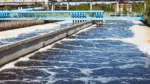
What is wastewater?
According to the governmental page on national wastewater treatment info and data, over the 2013 – 2023 period, the proportion of the population served by municipal wastewater systems remained stable at approximately 86% in Canada, including homes, businesses, industries, and institutions.
However, first, it is essential to explain what wastewater is, regardless of the business’s niche or size, as its meaning remains consistent in each case. Basically, wastewater is the water that has been affected by human activities (can contain human and other organic waste, nutrients, pathogens, microorganisms, suspended solids) or rainwater runoff, melting snow, draining off rooftops, parking lots, etc., being not safe anymore to be consumed or disposed of in the environment because of its pollutants (debris, grit, for example).
In the industry, wastewater can come from discharges by manufacturing and chemical businesses. On the agriculture side, the water runoff from farms can carry fertilizers, pesticides, and organic matter. And it is important to highlight that while wastewater is generated, it can also be treated for reuse in internal processes, for example. That is a sustainable initiative that can, at the same time, decrease water bills, especially in niches that can reuse water in many processes, such as factories and agriculture.
The fact is that the wastewater may contain, besides pollutants, also bacteria and viruses, and must be treated. Talking about Canada, to improve the wastewater quality, there is a government page called “Wastewater monitoring dashboard” which aims to monitor the network to track the spread of COVID-19, flu, RSV, and mpox, and even a provincial viral levels comparison.
| Province | Wastewater Regulation |
| National Wide | Wastewater Systems Effluent Regulations Canadian Environmental Protection Act Fisheries Act |
| Ontario | Licensing Guide for Operators of Wastewater Facilities: Wastewater operators: training and licences |
| Alberta | Wastewater and stormwater – Legislation |
| Quebec | Wastewater Regulation |
| Saskatchewan | Water and Wastewater Management Wastewater Regulations |
| British Columbia | Municipal Regulation |
What is Wastewater Treatment
As the wastewater is the water contaminated after some processes (natural or human-related), as we explained before, the wastewater treatment is the step (or steps) needed to remove impurities from wastewater before it’s ready to be consumed, reused again, or even released safely on rivers, lakes, or oceans after meeting quality standards.
Treatment processes vary widely, depending on the sources of wastewater and the desired quality of the effluent. The principal objectives of wastewater treatment include reducing organic material, removing pathogens, achieving Safe Drinking Water Standards, eliminating nutrients, and ensuring compliance with local and federal regulations, as mentioned above.
Rules for Treating Industrial Wastewater
Main Wastewater Types and Treatments
- Industrial wastewater: This is when water is used in the production process for cleaning or other internal activities. It can be generated from manufacturing operations, mineral extraction, cooling, boiler systems, rinsing and cleaning processes, power generation, and other areas, depending on the industry segment.
Treatment: Industrial wastewater can contain a multitude of contaminants, which require specific methods. The goal is to reduce or even remove pollutants (organic matter, nutrients, heavy metals, for example) to acceptable levels before discharge into the environment or reuse within the industrial facility (a sustainable practice).
- Agricultural Wastewater: In this category, production of wastewater results from irrigation, livestock operations, crop processing, and other activities, contaminating water with chemicals or organisms in fertilizer, pesticides, animal slurry, pathogens, or irrigation water.
Treatment: minimizing adverse environmental effects and lowering health risks is the goal by improving the water quality. The traditional treatment involves three sequential stages of purification processes, including physical separation mechanisms to remove suspended and undissolved solids through sedimentation and screening operations, biological treatment methods where microorganisms degrade organic pollutants through aerobic and anaerobic processes, and advanced treatment technologies, such as adsorption techniques.
- Stormwater Runoff: Refers to rainwater that flows over surfaces containing pollutants such as oils, debris, and chemicals from urban and industrial areas. As this type of wastewater is not normally treated before entering rivers and lakes, it is important to develop management strategies for mitigating pollution.
Treatment: it involves a combination of chemical, physical, and biological processes to remove pollutants from runoff before it is discharged into natural water bodies. According to each case, the treatment can include vegetated rooftops that absorb rainwater, systems that collect and store rainwater, identifying and eliminating illegal connections, policies implementation, natural or constructed wetlands that act as bio-filters, and others.
- Graywater: Independent of the niche, all companies and industries have washrooms, sinks, washing machines, and this is where the graywater appears. Contaminated and not safe for the environment, this water, after use, contains soap, oils, and minor pollutants.
Treatments: Some of the steps to treat this type of wastewater to be reused or safe enough for the environment are the filtration, sedimentation, which allows heavier particles to settle out of the water; biological treatment, disinfection, and chemical treatment, to neutralize or remove contaminants.
- Blackwater: The blackwater, likely the graywater, is everywhere, independent of the company’s segment. Basically, it is the wastewater that comes from toilets and contains human excrement. Therefore, it is contaminated and requires extensive treatment due to its bacterial and viral loads to be cleaned enough to be reused.
Treatment: The anaerobic treatment technology is a traditional treatment using a septic tank to degrade pollutants through sedimentation and anaerobic digestion. The effluent is collectively transferred to municipal wastewater treatment plants for further treatment to meet discharge standards.
How Canadian Businesses Can Effectively Manage Wastewater
According to the government of Canada website, the 2022-2026 Federal Sustainable Development Strategy (FSDS) outlines the Government of Canada’s sustainable development goals and targets, as required by the Federal Sustainable Development Act. The standards summarize the regulations for basic principles, focusing on environmental initiatives and the country’s commitment.
Wastewater management is more than just a compliance requirement for Canadian businesses. It’s an essential part of protecting the environment, conserving resources, and maintaining a strong reputation. From restaurants and hotels to manufacturers and construction firms, every business that produces wastewater has a role to play in managing it responsibly. With growing environmental regulations and increasing public awareness, now is the ideal time for Canadian companies to re-examine their wastewater practices.
For businesses, looking for Renewable Energy Certificates can be an effective step.
Why Wastewater Management Matters in Canada
In Canada, most wastewater systems are owned and operated by municipalities. Much of the Canadian population is served by wastewater collection and treatment systems; however, wastewater receives various levels of treatment to remove pollutants before discharge, ranging from no treatment to sophisticated and thorough treatment. As a result, wastewater quality and the amount of pollutants released to the environment vary across the country.
To ensure public safety and high-quality water, the Government of Canada works with the provinces, territories, and engaged municipalities to establish the country’s standards for wastewater treatment. The Regulations are established under the Fisheries Act and include mandatory minimum effluent quality standards that can be achieved through secondary wastewater treatment.
For businesses, poor wastewater practices can lead to:
- Regulatory fines under provincial and federal laws, such as the Fisheries Act and municipal bylaws.
- Reputation damage in local communities where environmental issues are taken seriously.
- Operational costs are increased because inefficient systems waste both water and energy.
By implementing sustainable wastewater solutions, Canadian businesses can not only stay compliant but also lower costs and contribute to environmental stewardship.
Practical Wastewater Management Strategies for Businesses
Conduct a Wastewater Audit
Start by assessing your current wastewater output. How much water is your business using? What types of contaminants are present? An audit can help identify problem areas and set a baseline for improvements.
Separate and Pre-Treat Wastewater
Industries like food services, automotive, and manufacturing often generate grease, oils, or chemicals. Installing grease traps, oil-water separators, or pre-treatment systems ensures pollutants are filtered out before wastewater enters municipal systems.
Water Recycling Technologies
Water recycling isn’t just for large factories anymore. From greywater reuse in commercial buildings to advanced treatment systems in manufacturing plants, businesses across Canada can invest in technologies that reduce water use while lowering discharge volumes.
Train Employees on Best Practices
Employees are on the front lines of wastewater management, so training them on proper disposal practices is needed. For example, never pouring oils or chemicals down drains helps prevent costly blockages and environmental damage.
Work with Certified Wastewater Management Companies
Partnering with local Canadian wastewater management firms ensures compliance with municipal and federal regulations. These experts can provide tailored solutions, from regular maintenance to advanced treatment systems.
Reviewing industrial water treatment options and costs
Looking to repair your equipment or reduce your water costs? EnergyRates.ca can help you review and reduce your utility costs, beyond water usage. Our experienced team of energy and water consultants can support you in comparing industrial water treatment plans for your commercial, large commercial or industrial operations.
Contact us or call us at 1-855-635-9608 for a custom quote based on your energy needs.