
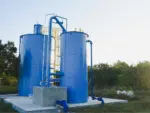
Hard water is a problem that many Canadians face across Canada, and for commercial/industrial businesses, it can lead to a host of much more expensive and frustrating problems than it does for residential homes. Commercial water softeners are an important part of business costs, maintenance, and more factors for large businesses – especially those that go through more water than others, such as hotels, hospitals, and food service industries, as examples.
In our guide below, we will cover:
- What commercial water softeners are;
- What hard water is and the issues it causes, levels across Canada;
- How it benefits commercial users to use water softeners;
- The top water softener installers in Canada.
- How to choose the right commercial water softener, and more.
What is a commercial water softener?
A commercial water softener is a water treatment system that is designed for large-scale production to help with mineral build-up, such as those from minerals that cause hard water, like an excess of magnesium and calcium. Using ion exchange removes them from the water and exchanges them for sodium to prevent scale buildups in pipes, boilers, and appliances. This improves the lifespan of machines and pipes, while also reducing maintenance downtime and costs. The amount of sodium needed to upkeep the water softener system can be accounted for in business costs, and even with the addition of that (depending on what type of system you opt for), it will still be cheaper in the long run that in would be otherwise dealing with more difficult maintenance or any other issues that can arise with hard water buildup.
What is hard water, and what are the common issues caused by it?
Hard water is water that has a high mineral content (in contrast to soft water that does not), and it is formed when water percolates through deposits of limestone, chalk, or gypsum, which are largely made up of calcium and magnesium carbonates, bicarbonates, and sulphates. Around 85% of Canada is affected by it, with the outliers being usually in B.C for soft water, such as in Vancouver. Hard water can pose critical issues for industrial settings, as the minerals form scale build-up, which, if not properly taken care of, can block pipes, decrease water quality, and make maintenance a nightmare that takes more downtime to handle – or even can result in needing new equipment. Water softening is often used reduce hard water’s adverse effects because of this.
It can also cause galvanic corrosion, in which one metal will preferentially corrode when in contact with another type of metal, when both are in contact with an electrolyte. Softening hard water using ion exchange doesn’t increase its corrosivity per se, but it can help with other softening systems as well in one unit that minimizes damage to pipes and machinery that need to run systems.
Hard water on a residential level can and often does lead to dry hair, skin, scale build-up, soap may have a harder time foaming up, it leaves soap scum traces more often, and it also builds up on the pipes and affects things such as water pressure and more. It can also cause mineral buildup on teeth faster if not taken care of, because of the different mineral makeup.
Natural rainwater, snow, and other precipitation that fall in drainage basins form hard, impervious and calcium-poor rocks; only very low concentrations of divalent cations are found, and the water is termed ‘soft water’. Examples of water like this, instead of hard water, would be in Vancouver or Snowdonia in Wales. Vancouver has very soft water from the rain and snow falling into the basins around.
Water hardness levels across Canada
Hard/Soft Water Classification (and the levels across Canada for hard water)
| Municipality | Province | Hardness Grains (GPG) |
| Vancouver | BC | 0.5 – 0.7 |
| Victoria | BC | 1.0 – 1.2 |
| Edmonton | AB | 7.4 – 15.3 |
| Calgary | AB | 9.6 – 10.2 |
| Regina | SK | 16.8 |
| Saskatoon | SK | 10.9 |
| Winnipeg | MB | 4.9 |
| Toronto | ON | 6.8 |
| Ottawa | ON | 1.8 |
| Montreal | QC | 6.4 – 7.3 |
| Quebec City | QC | 2.9 – 3.5 |
| Cape Breton | NS | 11.7 – 17.5 |
| St. John’s | NFL & Labrador | 2.46 |
| Moncton | NB | 1.2 – 4.6 |
How does the water softening process work?
A commercial water softener addresses hard water that can build up on industrial equipment, boilers, and other heating and cooling systems by removing the excess minerals in your water and replacing them with salt/sodium. There are several types of water softeners available, with the most common being a salt-based ion exchange softener. There are typically two parts to this type of water softener, for example:
- The brine tank, where salt is stored and mixed with water, forming a brine solution.
- The resin tank, where the water flows through at a rapid rate, flushing out the calcium, magnesium, iron, dirt, and sediment from the water.
There is a meter installed on the control valve that measures how much water the system is using. Once the resin tank is no longer able to soften your water, the resin tank needs to be regenerated. Regeneration is, as noted above, the process of cleaning the resin tank. The first step for this is to backwash the tank, getting rid of sediment and dirt inside the machine and washing it out to the drain. The second step in the process is the brine cycle – the brine solution is sucked from the brine tank into the resin tank, where it cleans out all of the media inside the resin tank. The system is then rinsed again, and finally, water is returned to the brine tank and mixed with the salt so that the solution is ready for the next process.
The main difference between residential and commercial applications is that the residential setting is smaller and has a more frequent regeneration. During the process, soft water is not available. In commercial settings, it is essential that the unit is sized appropriately to the amount of water the organization uses in a day. Generally, a regeneration cycle will take place at night, when soft water isn’t needed.
Some commercial applications, however, soft water may be required to be running 24/7, so in those instances, they most likely will have multiple soft water tanks set so that while one is cleaning and being regenerated, the others can continue running so the system doesn’t go down. Some factories may even use multiple systems to run all of their water through at once.
Benefits of commercial and industrial water softeners
Installing a commercial/industrial water softener system for a business is important, if not imperative, depending on your business and where in the country you live. If you’re in an area of a province that has softer water, you may not need one as much or use it as often, but with 85% of the country having hard water, a water softener is a must. Hospitals, apartment buildings, restaurants, and other commercial businesses that utilize and need water every day for cooking, drinking, cleaning, etc. May need to run their water 24 hours a day, and with hard water, that can lead to much quicker build-up and maintenance costs down the line, including dealing with the other difficulties that come with hard water.
The costs, prices, and installation expenses are typically offset positively down the line by the amount of maintenance and costs that are avoided without mineral buildup and machine downtime.
Costs, prices, installation expenses, and everything related to the costs, including servicing/maintenance, as well as potential financial benefits
Industries That Benefit Most from Water Softeners
Industries that benefit most from water softening are those that use water most often in situations where it is needed on a constant basis, usually. Such as:
- Restaurants and other food services: Restaurants rely heavily on clean water for cooking, cleaning, and beverage preparation. Poor water quality and hard water can affect the taste of food, leave residue on dishes, and shorten the lifespan of appliances and pipes. By investing in a professional water treatment softening system, restaurants improve customer experience and save costs on maintenance and any downtime from cleaning.
- Hospitals and healthcare facilities: Hospitals, clinics, and medical centers must meet strict water standards to protect patients and staff. From sterilizing equipment to running dialysis machines, water purity is a non-negotiable.
- Hotels and other hospitality: Hotels depend on consistent water quality to meet guest expectations. Everything from laundry services to kitchen operations and upwards to the simple use of washrooms, showers, and pools. Water quality is imperative for these, as poor quality can lead to complaints, and of course, higher maintenance costs or downtime on guest services.
- Manufacturing plants: Manufacturers, of course, use water in their production processes, cooling systems, and equipment maintenance. Hard water can cause damage to machinery, downtime, slow down production, and impact product quality as well. Having soft water helps to reduce damage to assets and helps with costs.
- Schools and educational institutions: Schools of every size, whether a small town school or a large university, serve hundreds and thousands of students and staff daily. Clean water is needed forthe cafeteria, science labs, washrooms, and athletic facilities. Softened water can help keep scale buildup at bay, keeping from massive bills in maintenance down the line and help with sciences and cleaning as well, with no buildup or scum left on glassware, etc.
- Laundries: Dry cleaning or laundromats, for example, are laundries that rely on using good, clean, and softer water that won’t damage clothes and cause customers to not return. Not only that, but untreated and unsoftened water can damage machines, cause extra downtime, and put the entire store out of business for a day or more if there is too much buildup and other issues that may need to be replaced, such as expensive dry cleaning machines or other washing and cleaning systems. Washing machines and other appliances that use a lot of water daily need to be maintained and easily managed.
What to look for when getting a commercial water softener
As said in previous sections, a commercial or industrial water softener is designed to address the multiple challenges that water hardness can bring to a wide variety of industries, from restaurants and hotels to healthcare, manufacturing, consumer applications, and more. However, there are several factors to consider when it comes to investing in one of these systems. Choosing the right one for your business needs is imperative. Factors to keep in mind are:
- How much water do you use? Don’t rely on rough estimates and try to get as close to an exact number as possible to ensure that the water softener system size will be adequate without having too large or too small a tank.
- How can it reduce operating costs and increase ROI?
- Where can it improve efficiency within your system?
- The advanced capabilities the system offers.
- The ability to consult a water treatment professional if you need more information or if troubleshooting arises.
- How hard is your water? Depending on where you are within Canada, the water hardness varies, and that, of course, determines what kind of water softening system you need and what goes into it.
These points are important to take into account, along with the other factors such as:
- What kind of water softener system works with your commercial or industrial needs, and how many will you need?
- What options do you need? You may not need the fanciest equipment, but you do need the most functional. Electronic capabilities, alarm recognition, remote monitoring, progressive flow, and efficiency-focused features like Aqua-Sensor can be important depending on your setup.
- Although most water softeners work in the same way, their configurations are different. Some may have single or multiple tank configurations, different monitoring systems and displays, varying options for regeneration and more.
The top water softener installers across Canada
When it comes to purchasing a commercial water softener for your commercial business, it all boils down to what your needs and industry are and what suits you best.
That being said, it is easier to find what is in the ballpark for your business and inquire with the installer or business that lines up with what you’re wanting as far as water softening.
Full installation systems, water softener parts or filters, and more are all on the table for what you can buy. You may need new filters, or a whole brand new installed system that could take several tanks or more to get up and running.
More information can be found by asking the companies we’ve listed below that are great across the country for commercial and industrial water installation.
Culligan
The wide array of Culligan commercial and industrial water softeners available for your business can reduce hardness and improve efficiencies with flow rates to meet any application, even those over a thousand gallons per minute. Culligan can be contacted directly on their website or by phone to get a direct quote or to ask any further questions you may have. From proprietary designs to dependable service that is known across Canada, they’re here to ensure your business gets the best soft water possible.
There is a monetary benefit in getting water softeners installed, which reduces operating costs, energy savings, and increases ROI. Soft water works efficiently to help extend the life of water-using equipment. The higher quality water provides better, softer water that helps to even further reduce scaling and equipment downtime for pipes and machines it flows through.
T’s Water
T’s Water Systems is highly rated for services in southern Alberta. Their reputation is built on decades of industry experience, a dedicated local team, and a commitment to cutting-edge technology tailored to the complex and differing needs of commercial clients. From hospitality venues and industrial plants to multi-residential properties and agriculture facilities, their comprehensive approach ensures water quality, reliability, and efficiency. They service businesses across Calgary, Okotoks, High River, and other municipalities in the southern part of the province. They also understand how to cater to southern Albertas unique water needs.
What they offer will depend on what your needs are and what you decide is best from their team that comes to visit your business site.
Step 1 – T’s Water team will contact you back and determine what is the best water treatment plan, including having water softener installations done where you would like it.
Step 2 – They will come out to do a site visit to better understand the proper area and your commercial needs better
Step 3 – Installing the turnkey solution for your water needs
They are easy to communicate with and their customer service is top notch. If you’re unsure which system you may need, be sure to follow the above instructions and reach out to see what they would say for your business.
Commercial water solutions and guidance
Looking to reduce your water costs? Check our Water Hub, which covers a wide range of water efficiency tips for both homes and businesses. EnergyRates.ca can also help you review and reduce your utility costs beyond water usage. Our experienced team of energy consultants can support you in comparing plans for your commercial, large commercial or industrial operations.
In addition to lower bills, EnergyRates.ca can also help businesses with corporate sustainability solutions, including Carbon Accounting, RECs and Carbon Offsets, and VPPA information.
Contact us or call us at 1-855-635-9608 for a custom quote based on your energy needs.