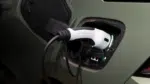
EV chargers have become an essential device for EV drivers to have in their home, not only for convenience but also for cost savings. As of 2024, approximately 80% of Canadian EV drivers charge their cars at home.
However, before purchasing your EV charger, it’s essential to be aware of common mistakes drivers make when using an EV charger, which can result in thousands of dollars in damage. In this article, we’ll look at some of those mistakes, what causes them, and what you can do to avoid them.
1. Not upgrading your electrical panel
This is arguably the biggest mistake drivers make when installing their EV charger. Drivers will either underestimate the power required by the charger or assume their home’s electrical panel can handle the new load coming from the charging station. These are dangerous assumptions to make. EV chargers draw significant amounts of power. For example, a Level 2 charger typically needs 30 to 60 amps of power. Adding this to an overloaded electrical circuit can lead to breaker trips, overheating, and even fire hazards.
The solution is to have a licensed electrician inspect your home’s electrical system. They’ll determine whether your current electrical panel can support an EV charger and recommend any upgrades, like a dedicated circuit or additional power sources. While upgrades can be expensive, they are a worthy investment that can save you money in the long run.
You can find a directory of some of the top EV charger installers on our website here
2. Buying the wrong charger for your vehicle
This refers to buying a charger that is incompatible with your EV’s connector type. Some EV drivers may not know that different models have different connector types. Most EVs use the J1772 standard, while Teslas use the NACS. Adapters are available, but they can be expensive; e.g., the Lectron NACS to J1772 adapter costs $199.99.
While this isn’t the worst mistake to make, double-check your EV’s connector type before purchasing a charger. This simple solution will save you from future headaches and expenses.
3. Buying the wrong charger type
There are three EV charger types: Level 1, Level 2, and Level 3. For home charging, Level 2 chargers are the best option as they provide fast charging times and large amounts of power. However, some drivers make the mistake of purchasing a Level 1 charger, believing it will be good enough to power their EV. While Level 1 chargers are typically cheaper than Level 2 chargers and are easier to install, they don’t supply the same amount of power. Even when charging overnight, a Level 1 charger probably won’t fully power your EV. That’s why they are best used when travelling or as a backup option.
Level 3 chargers are not recommended for homes; they require a special DC outlet and are only found at public charging stations.
4. Charging during peak hours
The most expensive time to charge your EV is during peak hours, which vary in Canada but usually occur between 4 and 7 p.m. During this period, electricity usage is high, which increases demand on the grid and can lead to higher power prices.
While the cost increase may not be as noticeable in a province like Alberta, it is more evident in Ontario, which has a Time of Use rate. The current TOU rate for the winter period (November 1- April 30) is 20.3¢/kWh. The current Ultra-Low Overnight (ULO) rate for on-peak times is even higher at 39.1¢/kWh. Rates for off-peak times are significantly lower: 9.8¢/kWh for the TOU and 3.9¢/kWh for the ULO.
ULO Price Periods | Time (all year) | Prices (¢/kWh) |
Ultra-Low Overnight (demand for electricity lowest on average) | Every day, 11 p.m. to 7 a.m. | 3.9 |
Weekend Off-Peak | Weekends and holidays, 7 a.m. to 11 p.m. | 9.8 |
Mid-Peak (demand for electricity is moderate) | Weekdays, 7 a.m. to 4 p.m. and 9 p.m. to 11 p.m. | 15.7 |
On-peak (demand for electricity is highest on average) | Weekdays, 4 p.m. to 9 p.m. | 39.1 |
To avoid these costs, charge your EV overnight during off-peak hours, typically between 9:00 p.m. and 7:00 a.m.
5. Installing a charger without planning for future vehicles
This mistake occurs when an EV charger or chargers are installed with only a few vehicles in mind, without planning for future vehicles. While this happens more often in apartments or condos, it can happen with residential homes. If you find yourself in this scenario, you’ll have to buy additional chargers and go through the installation process again, which can include further electrical upgrades or renovations to your parking space. All told, this can be an expensive mistake to make. The solution is to consider the potential of future EV growth when shopping for an EV charger. Even though it may not happen, at least a plan will be in place.
6. Bypassing permit and code requirements
EV charger installations must meet permit and code requirements set by the Canadian government and by local jurisdictions. Ignoring these can have costly and dangerous consequences, such as:
- Increased risk of safety hazards
- Insurance and warranty denials
- Disqualification from home charging rebates
- Fines of up to $2,500
- Stop-work orders and potential reinstallation
- Reduced property value
This is why charger installation should always be done by a licensed electrician experienced with EV charging. They will help ensure your EV charger meets the standards set by the Canadian Electrical Code and by your local jurisdiction. And as we noted earlier, some rebate programs require you to submit an electrical permit, so completing this step can actually save you money.
7. Choosing an inconvenient location for your charger
Having your EV and charger close together seems like an obvious thing to do, but some drivers do make the mistake of installing them in an inconvenient location. Either the charger is too far from the parking spot, is in a hard-to-reach area, or there is no consideration for different charging port locations (e.g., front vs. rear side of the vehicle).
The main issue with poor charger placement is that it leads to bad cable management, which in turn creates tripping hazards. It can also lead to expensive renovations when installing the charger. For example, holes may have to be drilled into a wall in order to connect the charging station to your electrical panel. In some cases, an entire parking area may have to be redesigned to accommodate an EV charger.
Even though this is an extreme example, an inconvenient location for your EV charger is a frustrating mistake, and one that could cost you more than a few dollars.
8. Not scheduling regular maintenance checks.
EV chargers, like other devices, experience wear and tear over time. This can come in the form of chips, dents, corrosion, frayed wiring, loose connections, or outdated software. And if your charger is installed outside, the likelihood of these issues occurring is higher due to elements like hail or extreme cold. This is why ongoing maintenance checks on your EV charger are essential; you’ll avoid expensive repair costs and lengthen your charger’s lifespan.
*We recommend that a licensed electrician perform the inspection of your charger.
Other EV charging tips
Don’t forget rebates and incentives
There are several rebate and incentive programs available in Canada that either fully or partially cover the cost of buying and installing an EV charger. For example, the Québec Home Charging Rebate offers up to $600 toward the purchase and installation of an EV charger. Before signing up for a program, make sure you meet the requirements, which typically are:
- The installation is done by a licensed electrician
- You have the proper permits and inspections
- The charger is an approved model
- Any other specific documentation and receipts.
Learn more about EV incentives in Canada here
Consider smart chargers
When shopping for an EV charger, you may have seen the term “smart charging” pop up. While it may seem like another marketing word designed to sell more chargers, smart chargers are a device that every EV driver should consider.
But what is smart charging? They are like a standard EV charger, only they have software that gives you greater control over their functions, such as adjusting the rate of charge or scheduling charging to off-peak times. Smart chargers can also communicate with each other and the grid to optimize energy distribution and prevent circuit overloads, reducing power requirements. These capabilities help save you money on charging and installation costs and improve convenience as well.
You can find some of the best smart EV chargers in this guide.
Don’t charge your EV to 100%
Charging your EV to 100% seems like the right thing to do, but in fact, it can negatively impact the car’s battery life. Charging up to 100% puts added stress on the battery pack, making it degrade faster. Instead, charging your EV to 80% will preserve the battery and provide sufficient power for the car.