
How electricity rates, generation, transmission and distribution are set in each province
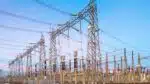
In Canada, the decision on how electricity is generated, delivered, and priced depends on the province where you live, unlike in some countries with a single national system. That means electricity regulation is handled mostly at the territorial level, such as the energy market in Alberta, which is deregulated and operates differently from British Columbia, which has a regulated electricity market and a partially deregulated natural gas market.
READ MORE: A Guide to All Provincial Utility Commissions in Canada
| Fully Regulated Provinces | Partially Deregulated | Fully Deregulated |
| British Columbia | Ontario | Alberta |
| Manitoba | ||
| Saskatchewan | ||
| Quebec | ||
| New Brunswick | ||
| Prince Edward Island | ||
| Newfoundland and Labrador | ||
| Yukon | ||
| Northwest Territories | ||
| Nunavut | ||
On the national level, the Canadian Energy Regulator (CER) is the one responsible for overseeing electricity that crosses provincial or international borders, such as exports. It is also the one that authorizes the construction and operation of international power lines and designated interprovincial lines. According to its latest data, from 2018, Canada produced 647.7 terawatt hours (TW.h) of electricity, being more than half (61%) generated from hydro sources.
- Fully regulated is when the provincial government controls the generation, transmission, and distribution, and the rates are set by a regulator or the provincial government, depending on the location.
- Partially regulated is when, although there are private contracts for electricity generation or retailer competition, for example, the government regulator is in control and approves network changes and oversees reliability.
- Fully Deregulated is when the market is competitive. Private companies build power plants, sell electricity, and retailers compete for customers.
The electricity regulation in Canada, as you can see, varies according to each province. The rules, rates, policies, and where the electricity comes from, who can sell it, are decisions made on a provincial level. Let’s talk more about it to better explain how it works in major provinces.
Electricity Regulation in Alberta
Alberta is considered the only province with a fully deregulated electricity market. To make it happen, the Alberta Utilities Commission (AUC) regulates the transmission and distribution, making sure the rules are followed, enforcing service standards, while the Alberta Electric System Operator (AESO) runs the provincial grid and manages the wholesale electricity market.
Whereas both institutions work focusing on customers and the energy market, the Market Surveillance Administrator (MSA) monitors the electricity market to guarantee the Electricity Utilities Act is being followed, investigating and recommending sanctions if necessary.
In Alberta, the market is deregulated and electricity rates are determined by competition between private retailers (check the list). It’s not only the retailer choice though; in the province, you can also choose from different types of plans, such as floating rates and fixed rates. Depending on the plan and the time of the year, two customers can get totally different bills from the same retailer. During heatwaves or cold winters, variable plans can cause bill spikes, but they can also provide the lowest rates when the market is calm, whereas fixed-rate plans can bring more predictability.
Options for Alberta residents
As we said before, depending on the plan, market volatility and grid stability levels are two big drivers of electricity rates in Alberta, so making the right choice can save families and businesses plenty of money, whether via fixed, floating, or in some cases, even via the Rate of Last Resort, a default regulated option that is determined by the Alberta Utilities Commission every two years.
Electricity Regulation in British Columbia
While BC Hydro is the dominant provider owned by the government in British Columbia, followed by FortisBC – and some municipalities have their own electric utilities and private providers, the British Columbia Utilities Commission operates as the independent regulator, regulating BC’s energy utilities, common carrying pipeline operations, rates, and the reliability of the electrical transmission grid.
BC Hydro and FortisBC are the two largest electricity providers in BC, while BC Hydro is a regulated crown corporation and the main electricity provider (generates and delivers electricity to 95% of the population of BC). For extra help, FortisBC, a regulated private company, provides electricity service to B.C.’s southern interior and on Vancouver Island, for example.
Options for BC residents
For residents, there are three plan options settled, such as the Tiered Rate (when charged a lower price for electricity use up to a certain threshold in each billing period). Flat Rate (a fixed price per kilowatt-hour (kWh) of electricity), and the Time-of-Use pricing (when charged according to the use, as the electricity price is highest in the evening and lowest overnight). For business, the rate will depend on the annual peak demand and total annual energy usage, according to information from the BC Hydro website.
Electricity Regulation in Ontario
In Ontario, the Ontario Energy Board (OEB) is the independent regulator for the province’s electricity and natural gas sectors, being responsible for setting rules, approving electricity rates, and protecting consumers through reviewing costs of local distribution companies, and approving fair rates considering the utility needs balance.
Who manages the power grid in real time is the Independent Electricity System Operator (IESO), ensuring reliability and the balance of supply and demand. And to deliver electricity to homes and businesses, there are Local Distribution Companies (LDCs), such as Toronto Hydro, Hydro One, and municipal utilities.
Options for Ontario residents
Residents who don’t sign contracts with energy retailers are automatically placed on the Regulated Price Plan (RPP), which provides electricity at rates set by the OEB. However, there are three options in Ontario, that can better fit different environmental behaviours, such as the Time-of-Use (based on the time of day; rates are lower during off-peak hours), the Tiered (set price up to a certain amount of usage each month), and the Ultra-Low Overnight (ULO) (lower rates overnight).
Electricity Regulation in Quebec
Quebec is considered unique when it comes to electricity regulation compared to other provinces. The system is dominated by Hydro-Quebec, a provincial corporation, responsible for almost all electricity generation, transmission, and distribution. Another curiosity is that they are one of the largest electricity producers in North America, also well known for generating most of its power from renewable hydroelectric sources (over 95%).
The good news is that the local customers pay affordable and stable rates, among the lowest in North America, thanks to their abundant resources. Talking about it, oversight of the electricity sector is provided by the Regie de l’Energie, an independent regulatory organization which reviews and approves Hydro-Quebec rates, investments, and projects, ensuring transparency.
Options for Quebec residents
Hydro-Qubec offers basic plans with a fixed rate charge plus a rate per kilowatt-hour. Once the consumption exceeds the monthly threshold, a higher rate is applied. Their options under this basis are the Rate D (fixed plus a set price per kilowatt-hour); Rate DP (for higher demand, when resident goes above 50kW – same idea as Rate D); Rate DM (to multi-unit residential buildings, such as apartments and condos), Rate DN (for residential and farm customer served by an off-grid system located north of the 53rd parallel, except the Schefferville system).
They also have dynamic pricing options, as the Rate Flex D, which enables customers to save money in winter by shifting (at Hydro Québec’s request) non-essential consumption to outside peak demand events and using less electricity during those events. And the Winter Credit Option for Rate D Customers, when customers can lower their electricity consumption during peak demand events, thus helping them save money.
Electricity Regulation in Saskatchewan
Fully regulated, the electricity market in Saskatchewan is considered stable. SaskPower is the primary provider and is responsible for the electricity generation, transmission and distribution to over 500,000 households. To guarantee everything is following the right path, the Saskatchewan Electricity Reliability Authority comes to monitor the service, its standards, and ensure the stability of the electricity grid.
Regarding the electricity rates, they are set by the provincial government. The Minister of Energy and Resources sets policies, regulates utility operations and guides energy development aligned with provincial priorities.
Options for Saskatchewan residents
There is a basic option in Saskatchewan, which comes from a Basic Plan (fixed rate plus a variable usage charge), so the amount customers pay is based on the electricity use.
Electricity Regulation in Manitoba
In Manitoba, the primary Crown is the corporation responsible for electricity distribution, transmission, and generation. The electricity rates and operation, across the province, are regulated by the Public Utilities Board of Manitoba (PUB), based on the cost to provide the utility service (energy market and scenario – supply and demand based).
On the other hand, there is the Manitoba Hydro Act, the provincial legislation that leads the power responsibilities and rules on how the operation must happen, from generation to delivery.
Options for Manitoba residents
In Manitoba, there is the Basic Monthly Charge (flat fee, regardless of how much electricity you use); the Energy Charge (covers the actual cost of the electricity you use, as measured in kilowatt-hours (kWh)).
Other Canadian Provinces
Similar to Manitoba and Saskatchewan, Nunavut, Yukon, Northwest Territories, Prince Edward Island, Newfoundland and Labrador, Nova Scotia, and New Brunswick have a regulatory authority, which takes care of generation, transmission, and distribution, and a specific regulatory framework that takes care of the rules, rates, and transparency.
Nunavut
Governed by the Electrical Protection Act (ensuring safety and reliability) during all the electricity supply steps. The Qulliq Energy Corporation (QEC) provides electricity service (distribution, generation, retailing) while the minister responsible for QEC makes the final decision on electricity rates. In parallel, the Utility Rates Review Council (URCC) and the Government of Nunavut’s Executive Council give advice to the minister related to utility rates and tariffs.
Nova Scotia
The Electricity Act is the local legislation that outlines in Nova Scotia. Across the province, Nova Scotia Power (an Esmera company)is the primary electricity provider, generating and delivering electricity for more than 500,000 customers. The Nova Scotia Utility and Review Board (UARB) is the independent institution responsible for regulating utilities, including rates, standards, and compliance with the Electricity Act.
Newfoundland and Labrador
The provincial regulator is the Newfoundland and Labrador Board of Commissioners of Public Utilities (PUB), following the Public Utilities Act, an independent agency responsible for ensuring the electricity rates are fair according to the local supply and demand scenario. Newfoundland and Labrador Hydro is a crown corporation that generates and distributes electricity mostly from thermal stations, hydroelectric plants, while Newfoundland Power serves approximately 85% of the province.
New Brunswick
New Brunswick Energy and Utilities Board (NBEUB) is the independent institution responsible for regulating the energy sector across the province, including project analysis, compliance with standards, electricity rate approval, and transparency guarantee. The New Brunswick Power Corporation is the local Crown main corporation, providing services such as electricity generation, distribution, and transmission. Other municipal utilities give extra help serving other areas.
Prince Edward Island
In PEI, the Maritime Electric Company Limited is the primary electricity provider and operates under the Electric Power Act to ensure that the electricity rates are fair for customers. Regulated by the Island Regulatory Appeals Commission (IRAC), which also sets the electricity rates, Maritime Electric serves most of Prince Edward generating and distributing energy across the province.
Yukon
Yukon Energy Corporation and ATCO Electric Yukon work together generating, distributing, and transmitting electricity across the province. All the supply and demand local info is regulated by the Yukon Utilities Board (YUB), an independent organization that regulates the electricity sale and receives its mandate from the Public Utilities Act.
Northwest Territories
In NT, there is the Northwest Territories Power Corporation, a crown corporation responsible for generating and transmitting electricity across the province; the Naka Power, a private utility, makes the distribution to several communities. Both are regulated by the NWT Public Utilities Board, also responsible for rate approval.
Looking for the best energy plan?
For more information about shifting energy rates, electricity grids and how they work across Canada, including Alberta and Ontario, and for other unbiased information regarding energy efficiency, electricity and natural gas rates, and more, EnergyRates.ca has easy-to-find information about energy in Canada.
You can compare prices, plans, and secure a competitive energy plan for your business operations, from small companies to large commercial or industrial operations.